
From population presence to practical participation
Scotland’s Census and the New Scots strategy offer a practical starting point for understanding population, access and participation in the UK context.
Read the Scotland/UK perspective
BridgeIt is an information and discussion space about asylum and refugee processes, worldwide displacement figures and the practical ideas that can help communities become more informed, welcoming and integrated — starting with Scotland and the UK.
At the end of 2025, UNHCR recorded 117.8 million forcibly displaced people worldwide. That total includes people displaced across borders and within their own countries. It is not the same as the number of refugees or the number of asylum applications.
UNHCR Refugee Data Finder · figures last updated 11 June 2026 · view the data and methodology
Begin with the place this project calls home.
How does arrival become participation?
Scotland’s Census and the New Scots strategy offer a practical starting point for understanding population, access and participation in the UK context.
Read the Scotland/UK perspective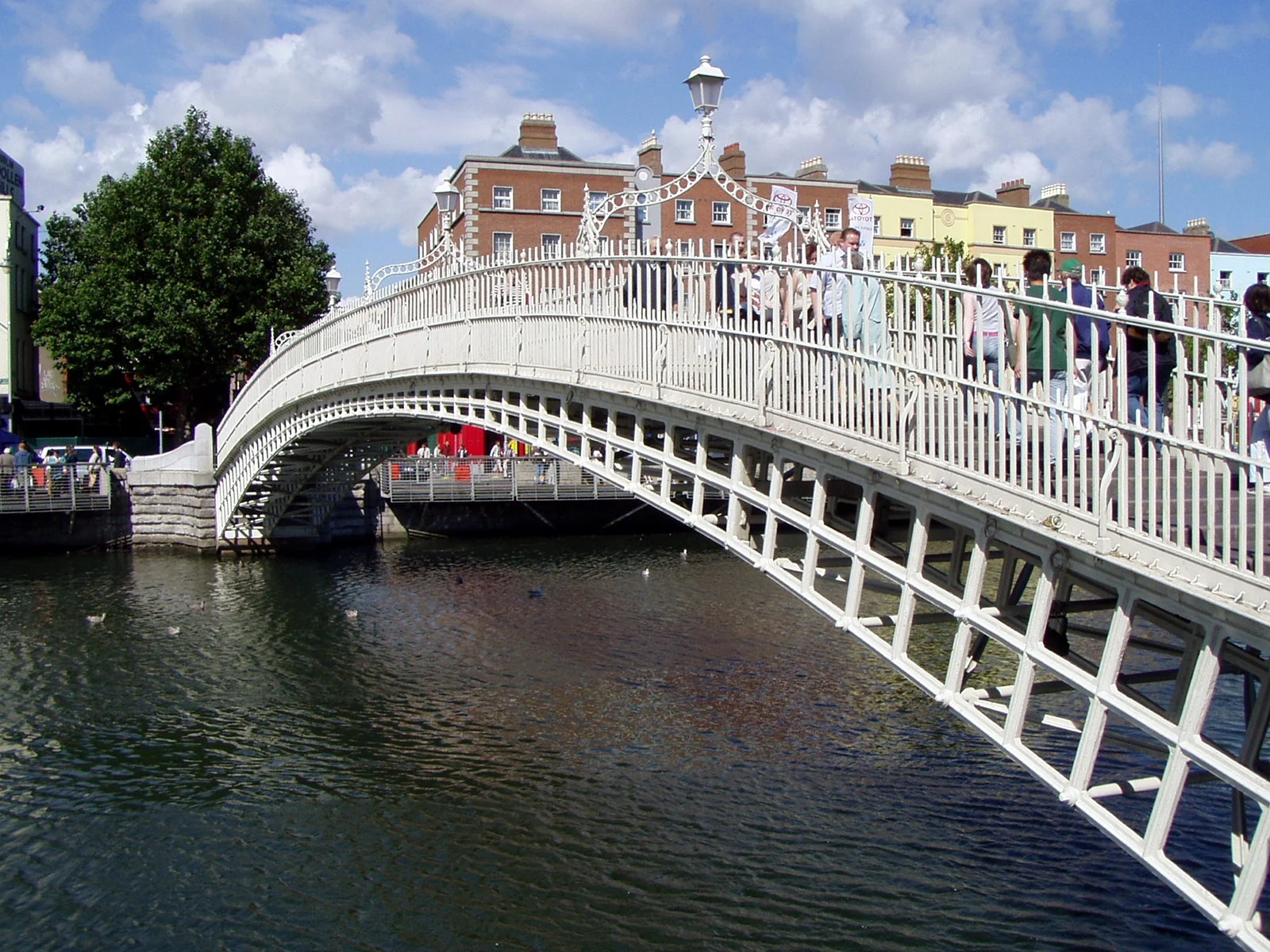
Ireland’s population and labour-market figures provide context for language access, local services and everyday participation; they are not a single integration score.
Read the perspective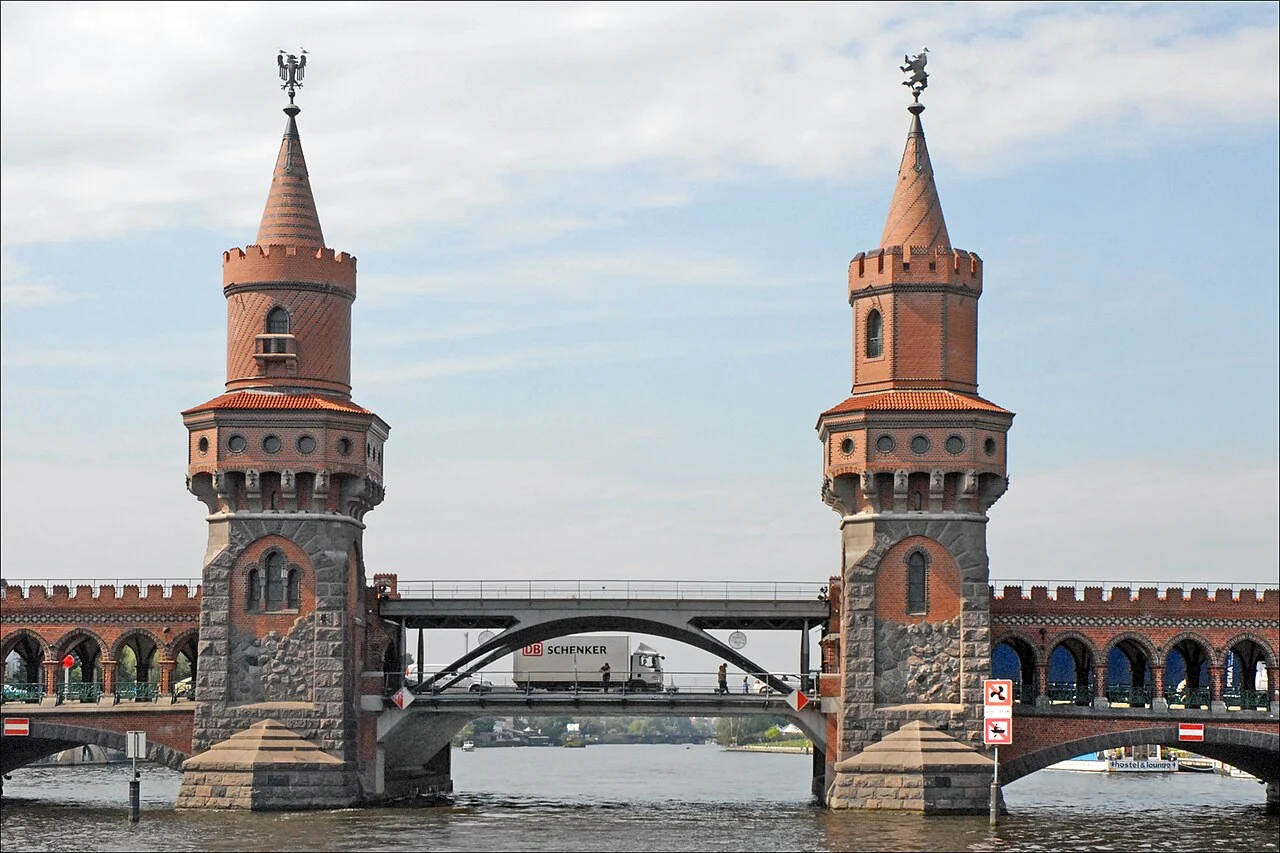
Germany’s integration courses combine language and civic learning. Their structure, eligibility and test figures need careful attention to who and what is being measured.
Read the perspectiveBetter communities are built when people can understand the systems around them, develop confidence in their own languages, learn practical English where useful, and take part in decisions that affect daily life.
See the community approach
Research can illuminate a system. Clear information can help someone navigate it. Meaningful participation happens when both meet people’s everyday knowledge and experience.
The thinking behind BridgeItBegin with the questions, not assumptions. Our FAQ brings together core ideas and links to reliable information for Scotland, while the Community section explores practical routes towards more integrated communities.
Explore the FAQNo. The New Scots strategy describes integration as a long-term, inclusive and multidirectional process involving people, communities, institutions and governance. It also describes inclusive, intercultural communities in which people share and learn from different cultures. BridgeIt uses that approach: learning how local institutions work should not require a person to make their language, culture or identity invisible.
More questions and sourcesNo. BridgeIt provides general information and commentary; it does not assess eligibility, give individual immigration advice, prepare legal submissions or represent people. For a personal case, use the GOV.UK Immigration Advice Authority adviser finder or, in Scotland, the Scottish Legal Aid Board solicitor finder. Check registration, advice scope, fees and legal-aid availability directly with the adviser. Do not send passports, asylum statements, case numbers or other sensitive documents through this contact route.
More questions and sources“Integration is not a single course.Let’s start a conversation
It is a relationship between systems and people.”